Internal sealant prioritises a clean finish and mould resistance, while external sealant must withstand sun, rain, temperature swings and building movement. Using an internal product outdoors fails quickly under UV and weather, so external work around windows, doors and facades uses durable, weather-resistant products, and both depend on proper preparation.
Sealant might look like a single product, but internal and external jobs are very different. Inside, the priority is a clean, neat finish that resists mould and suits the surface. Outside, the sealant has to stand up to sun, rain, temperature swings and the constant movement of the building. Using the wrong one in the wrong place is one of the most common reasons a seal fails early. Here is how the two differ and why it matters.
Internal Sealant: Clean and Mould-Resistant
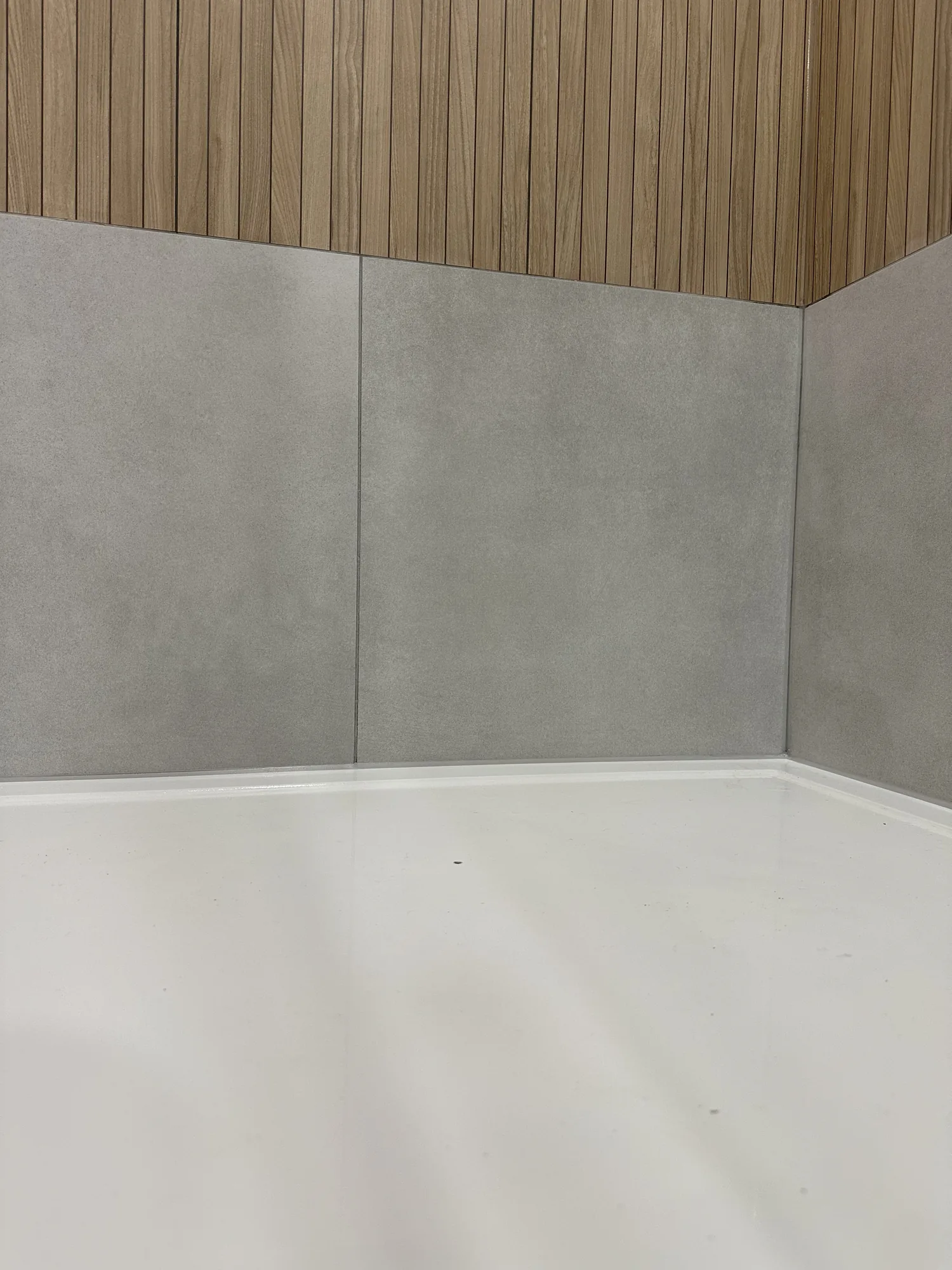
Internal sealant lives in kitchens, bathrooms, wet rooms and around general finishes. The conditions are gentler than outside, but the demands are still real: it needs to handle steam and splashing, resist the mould that thrives in warm damp rooms, and look tidy against tiles, worktops and sanitaryware.
For wet areas we use mould-resistant sanitary silicone, which is designed to stay cleaner for longer and shrug off the black and pink growth that ruins a tired bathroom. The finish matters as much as the product. A neat, consistent bead with a clean edge is what makes a room feel properly finished, and we colour match where possible so the seal blends in rather than standing out.
External Sealant: Built for the Weather
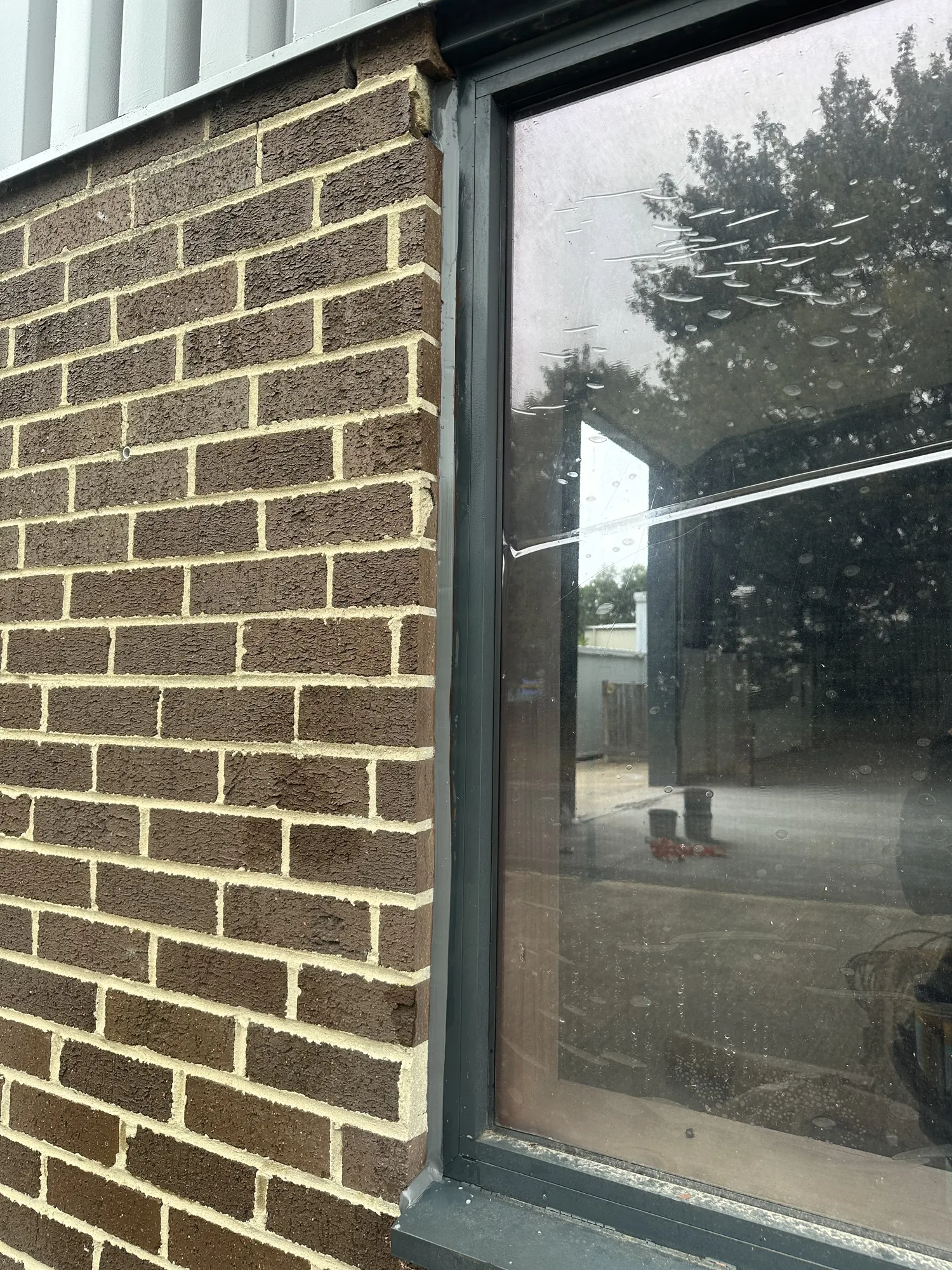
External sealant is the first line of defence against the British weather. Around windows, doors, facade joints and other external details, it keeps water and draughts out, protects the surrounding fabric and helps keep a building warm and dry.
- UV and heat: External products are made to resist sunlight, which breaks down the wrong kind of sealant surprisingly quickly.
- Rain and water: The bead has to shed water rather than let it pool or track behind, so tooling and shape matter.
- Movement: Buildings expand, contract and settle. External sealant has to flex through all of that without cracking or pulling away.
Because of those demands, external work uses durable, weather-resistant products built to flex and seal in all conditions, and it is priced a little higher than internal work to reflect the materials and access involved.
Not Sure Which You Need?
Call Bristol Sealants on 07721 558353. We will advise honestly on the right approach and provide a free, no-obligation quote across Bristol and the South West.
Call for a Free QuoteWhy You Cannot Just Swap Them
It is tempting to use whatever tube is to hand, but internal and external sealants are formulated for very different jobs. Put an internal product outdoors and it tends to break down under UV and weather far sooner than it should, going brittle and letting water through within a season or two.
Going the other way, a heavy-duty external sealant indoors can be harder to tool to a clean finish and is not always the best choice for a tidy bathroom line. Matching the product to the location is a small decision that makes a big difference to how long the seal lasts and how good it looks.
Preparation Makes the Difference
Whichever product the job needs, preparation is what makes it last. A joint has to be clean, dry and the right width for the sealant to bond and move properly. Old or failed sealant needs removing fully rather than sealing over, and the new bead needs tooling so it sheds water instead of trapping it.
Cut corners on any of that and even the best product will fail early. Get it right, with the correct product and proper preparation, and a seal can last for years, inside or out.
Frequently Asked Questions
It is best not to. Internal and external sealants are formulated for different conditions. An internal product used outdoors usually fails quickly under sun and rain, while a heavy external product indoors can be harder to finish neatly. Matching the product to the location gives a better, longer-lasting result.
External work uses more durable, weather-resistant products and often involves trickier access, such as working at height around windows. As a guide, internal work starts from £2.50 per metre and external from £5.50 per metre, with the final price depending on the size of the job, access and materials.
A mould-resistant sanitary silicone is the right choice for bathrooms and wet rooms. It is designed to handle steam and splashing and to resist the mould that takes hold in warm, damp rooms. Applied to a clean, dry joint and tooled neatly, it stays looking fresh for far longer than a general purpose sealant.
Good external sealant, applied to a properly prepared joint, can last for years even in exposed positions. The biggest factors are using the right weather-resistant product, getting the joint width and preparation right, and tooling the bead so it sheds water. Poor preparation is what causes most early failures.