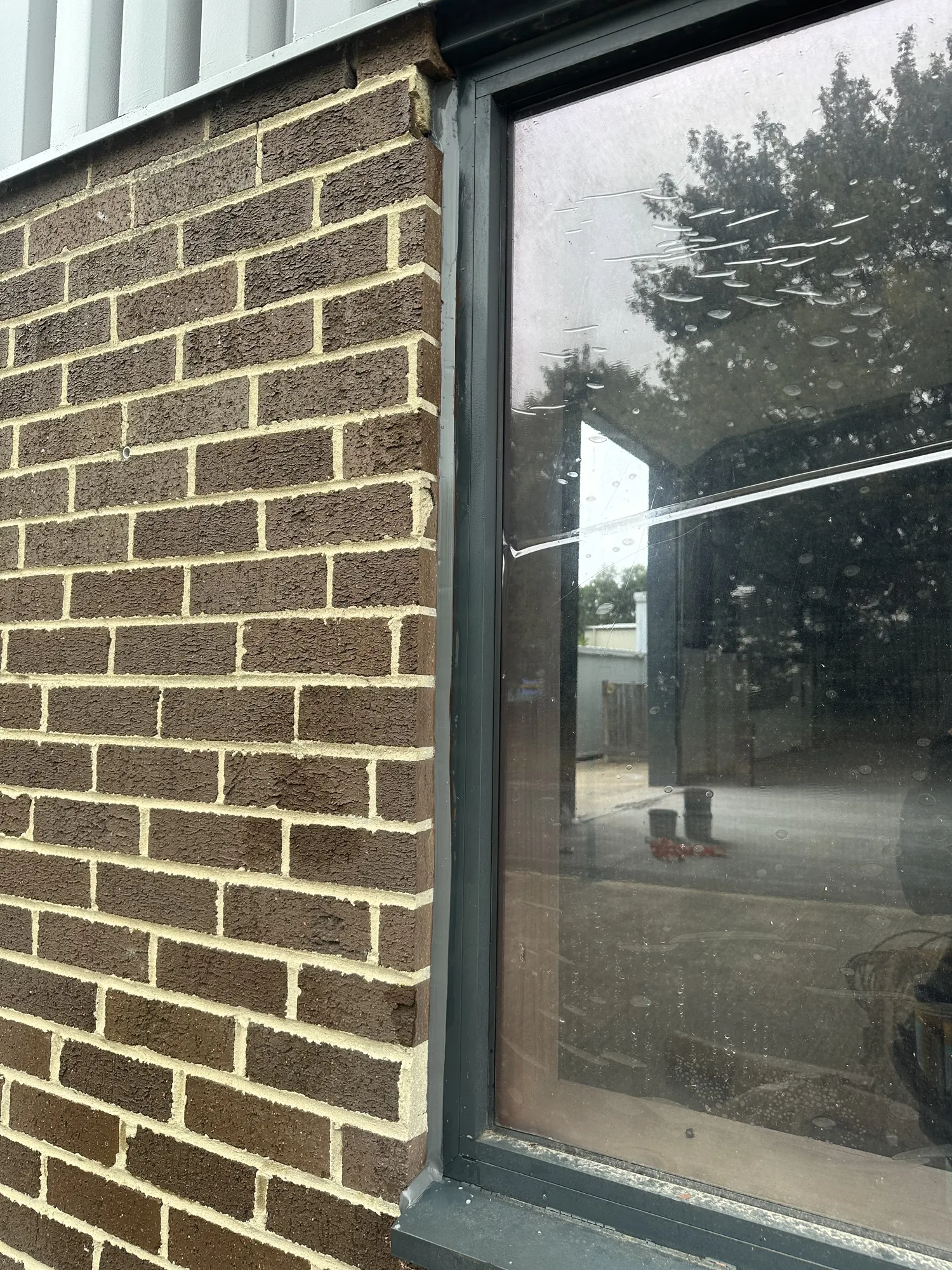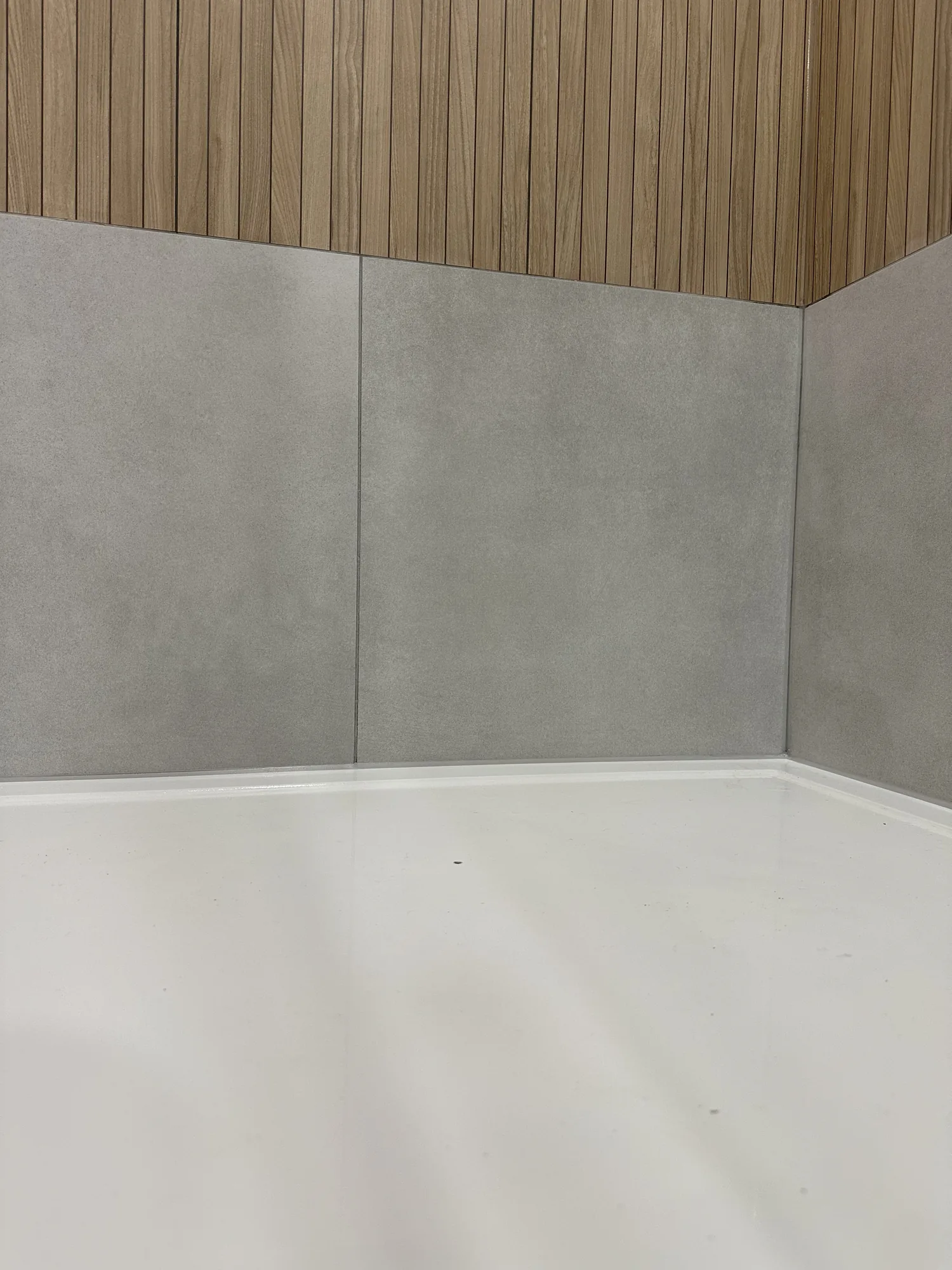
Sealant needs replacing when it is peeling or lifting, spotted black or pink with mould, cracked or gapping, discoloured and yellowed, or simply tired looking. Any of these lets water past the bead, which leads to damp and staining, so it is worth replacing rather than patching.
Sealant has a hard job. It keeps water out of the joints around your bath, basin, shower and worktops, and it seals the gaps around windows and doors. It does all of that quietly in the background, so it is easy to forget about until something goes wrong. The trouble is that sealant does not last forever, and once it starts to fail, water can get behind the bead and cause damp, staining and mould you cannot see. Here are five clear signs it is time to strip the old sealant out and start fresh.
1. Peeling or Lifting
The most obvious sign is sealant that has started to peel or lift away from the surface. You might notice an edge coming loose along the top of a bath, or a section around the worktop that no longer sits flush. Once that bond is broken, the seal is gone, even if most of the bead still looks fine.
Water runs straight into any gap behind a lifted bead, and because it is hidden, it can sit there for a long time before you spot a problem. Picking at a loose edge or trying to push it back down rarely works. The proper fix is to remove the old sealant completely, clean and dry the joint, and apply a fresh bead that bonds properly to both surfaces.
2. Black or Pink Mould
Black spotting or a pink, slimy film along the sealant is a very common problem in bathrooms, kitchens and wet rooms. It thrives in warm, damp areas, and once it takes hold inside the sealant itself, surface cleaners only ever shift it for a day or two before it comes back.
- Black mould: Usually shows as dark spots or streaks along the bead, most often where water sits, like the bottom edge of a shower or around a basin.
- Pink film: A pinkish, slightly slimy growth that builds up in damp corners and around plugholes.
- Why cleaning fails: Once mould has rooted into old sealant it is below the surface, so wiping the top does not remove it.
When mould has got into the sealant, the reliable answer is to cut it out and replace it with a fresh, mould-resistant silicone. Done properly, with the joint cleaned and dried first, a new bead stays cleaner for far longer.
Sealant Past Its Best?
Call Bristol Sealants on 07721 558353. We provide free, no-obligation quotes for clean, professional reseals across Bristol and the South West.
Call for a Free Quote3. Cracking and Gaps
Sealant needs to stay slightly flexible to do its job. Surfaces move very slightly with changes in temperature and use, and a good bead flexes with them. As sealant ages it hardens and loses that flexibility, and that is when you start to see fine cracks and small gaps appear along the joint.
Even a hairline crack is enough to let water through over time, and gaps where the bead has shrunk back from the edge are a clear sign the seal has failed. This is especially worth watching around baths and shower trays, which flex a little every time they are filled and used. Once a bead has cracked or pulled away, it cannot be patched reliably, so the old material needs removing and replacing with a fresh, flexible seal.
4. Discolouration and Yellowing
White sealant that has turned yellow, grey or generally grubby is telling you it is getting old. Some discolouration is just age and exposure to cleaning products, light and moisture, but it often goes hand in hand with the bead becoming brittle and less effective.
Discoloured sealant looks tired and lets the whole room down, even when the tiling and fittings are in good condition. Because the staining is usually within the material rather than on the surface, scrubbing will not bring it back to white. Replacing it is a quick, affordable way to freshen up a bathroom or kitchen and restore a clean, professional finish.
5. A Tired, Untidy Look
Sometimes the sealant has not failed dramatically, it just looks tired. Beads that were applied unevenly, have lumps and ridges, or have been patched over more than once tend to look messy no matter how clean they are. A neat, consistent line makes a surprising difference to how finished a room feels.
If your sealant is uneven, overpainted, or simply does not match a recent refurbishment, it is worth having it redone properly. We strip out the old material, prepare the joint and apply a tidy, consistent bead with a clean edge, colour matched where possible, so the finish looks the way it should.
Why It Matters
Every one of these signs comes back to the same thing: once the seal is broken, water gets behind the bead. From there it soaks into grout, plaster, timber and units, leading to damp, staining and mould that is far more expensive to put right than the sealant itself. Replacing failing sealant early is one of the simplest ways to protect the surfaces around it and keep everything looking clean.
Frequently Asked Questions
Good quality sealant, applied properly to a clean, dry joint, often lasts several years before it needs replacing. How long it really lasts depends on how the area is used, how well it was prepared in the first place, and how much moisture it deals with. A shower that is used every day will see its sealant age faster than a guest cloakroom.
It is not a good idea. New sealant does not bond reliably to old, failing sealant, and any mould or moisture trapped underneath will keep causing problems. Sealing over the top usually looks bulky and fails again quickly. The proper approach is to remove the old material completely, clean and dry the joint, then apply a fresh bead.
Mould loves warm, damp conditions, so bathrooms and kitchens are prime spots. If mould keeps returning, it has usually rooted into the sealant itself, so surface cleaning never fully removes it. Replacing the bead with a mould-resistant silicone, on a properly prepared joint, and keeping the area ventilated, gives you a much cleaner result that lasts.
Resealing a joint is one of the more affordable ways to freshen up a room and protect it from water damage. As a guide, internal work starts from £2.50 per metre and external from £5.50 per metre, with the final price depending on the size of the job, access and materials. It is far cheaper than dealing with the damp and staining that failed sealant can cause.
Yes, always. We strip out the old or failed sealant completely and prepare the joint before applying anything new. Skipping that step is the most common reason a reseal fails early. Proper removal and preparation is what gives you a clean, lasting finish.